
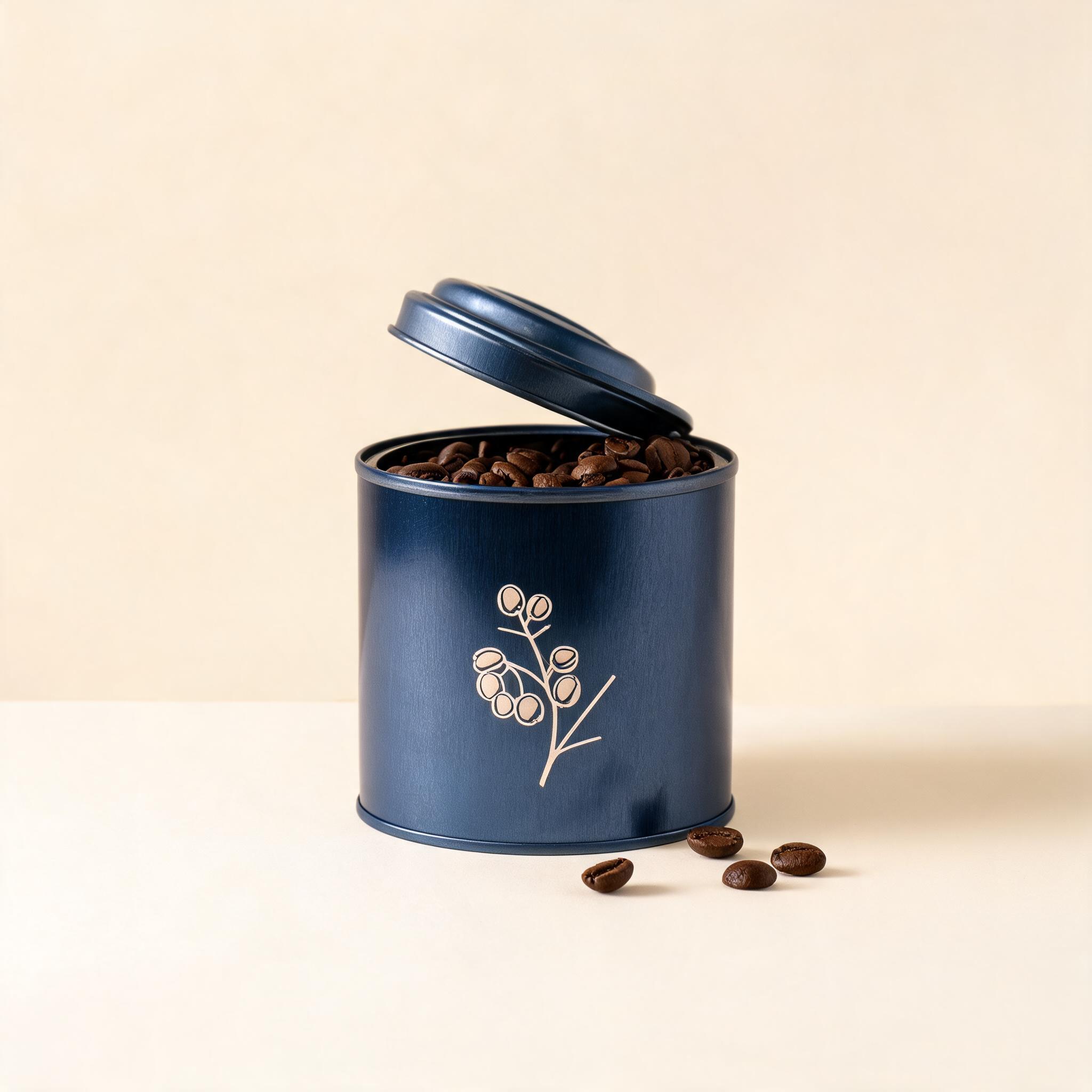
Freshness engineering
- One-way degassing valves fitted in lid or body
- Sealed-lid constructions for grounds and pods
- Airtight seam tolerances for aroma retention
- Nitrogen-flush compatible formats on request
Tin Packaging
Coffee tins with one-way valves or sealed lids for roasters and subscription brands.
Roasted coffee is alive: it releases CO2 for days after roasting and stales the moment oxygen gets in. Coffee tins therefore have one engineering question above all others — how the lid manages gas — and everything else builds from that.
We develop coffee tins for roasters and subscription brands: one-way valve tins for freshly roasted beans, sealed-lid tins for grounds and pods, and refill-friendly formats that keep your brand on the customer's counter.
The brief behind it
Freshly roasted coffee degasses for roughly a week. Seal it completely and pressure builds; leave it open and oxygen stales the beans. The industry answer is the one-way valve — a small fitting that lets CO2 out without letting air in — fitted into the tin's lid or body.
The second variable is the format: whole bean, ground, pods or drip bags. Whole bean with a valve suits roasters shipping within days; grounds and pods are less degassing-sensitive and can use a simpler sealed lid, which costs less.
The third is the subscription model. A tin bought once and refilled repeatedly needs a cavity sized to your refill pack and a print design that does not date — the tin becomes a permanent fixture of the customer's kitchen.
What you can specify
Every point below is developed with you and confirmed on a physical sample before production.
Send the product dimensions, an approximate quantity and the date you need it. We come back with structure, material and finish options — and a clear quotation.
Start a projectAt a glance
The six decisions that define this product. Change one and the cost, weight and lead time move with it.
From our catalogue
Real pieces from our supplier catalogue. Click a photo to enlarge it; click a name to open the item. Your own version is developed to order around your product.
 Coffee Tin with Roast-Date Panel — Illustrative Sample
TIN-COFFEE-TIN-SAMPLE
Why it matters
These are the choices this page decides. Getting them right at the sampling stage is what keeps cost and rework out of production.
Discuss your projectWho buys this
The same product is specified very differently depending on who is buying it. These are the briefs we see most often.
How we run it
We are a sourcing and product development partner rather than a single factory. Your project is matched to a specialist workshop in our manufacturing network, and one team stays accountable for the drawing, the sample, the production schedule and the inspection before dispatch.
Your product, sketch or reference photo becomes a working drawing: internal dimensions, wall thickness, opening mechanism and insert layout, with the trade-offs priced.
Before a full sample is made, you compare species, stain and coating on physical boards under your own lighting — the fastest way to avoid a colour surprise.
A physical sample of the actual construction is made and shipped for approval. Nothing goes into a production run before you sign off on it.
The approved sample becomes the standard. We coordinate the schedule with the workshop best suited to the structure, material and quantity, and report progress.
Units are checked against the approved sample during and after production — dimensions, finish, hardware and branding — then packed for the shipping route.
Export cartons, packing lists and shipping documents are prepared against the agreed trade term, and the shipment is coordinated with your forwarder or delivered to the named port.
Common questions
If you ship whole beans roasted within the last week, yes — the tin must let CO2 escape or the lid will dome and the aroma will suffer. Grounds and pods degas far less and can use a simpler sealed lid, which costs less.
No — the interior carries a food-grade lacquer designed for oily contents. We confirm the lacquer system and its documentation for your market at quotation.
Yes. Batch-variable printing or a dedicated date panel works for roasters who date every batch. We confirm the method against your production rhythm.
Standard cavity sizes from 250 g to 1 kg, or a custom size drawn around your pack. Refill tins should be sized to the refill pack first and the tin second.
Yes — tinplate is stackable by nature, and we specify the wall gauge so stacked tins do not dent the printed faces.
Yes — a wooden gift case with a coffee tin inside is a popular premium format, and we develop the pair so branding reads as one family.
A physical pre-production sample — structure, print and lid fit — is approved before any production run. It becomes the standard the batch is held to.
Related
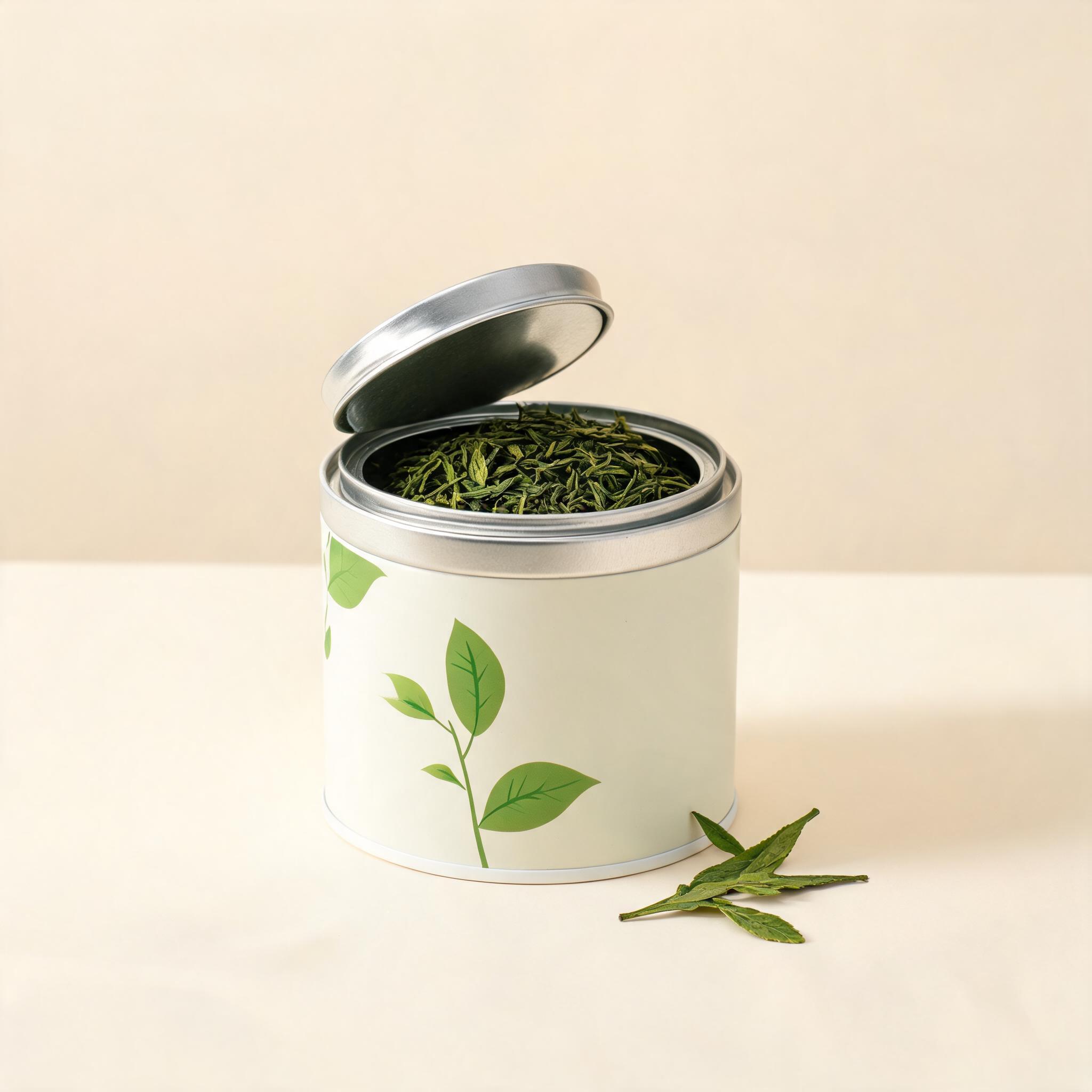
Airtight tins and caddy sets that keep aroma in and light out, sized to your tea format.
Read more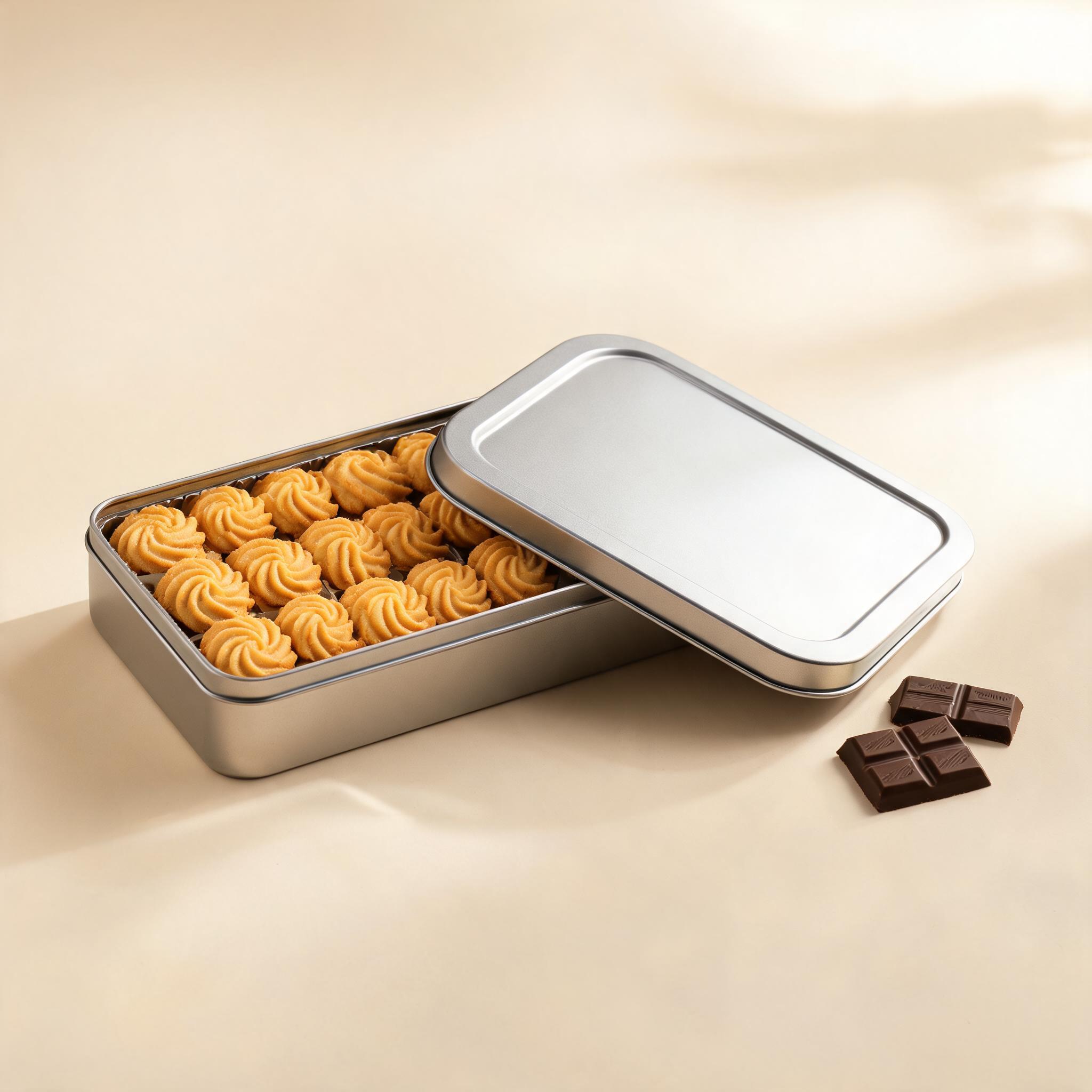
Food-safe tins for chocolate, candy, biscuits and pantry goods, printed in full colour.
Read more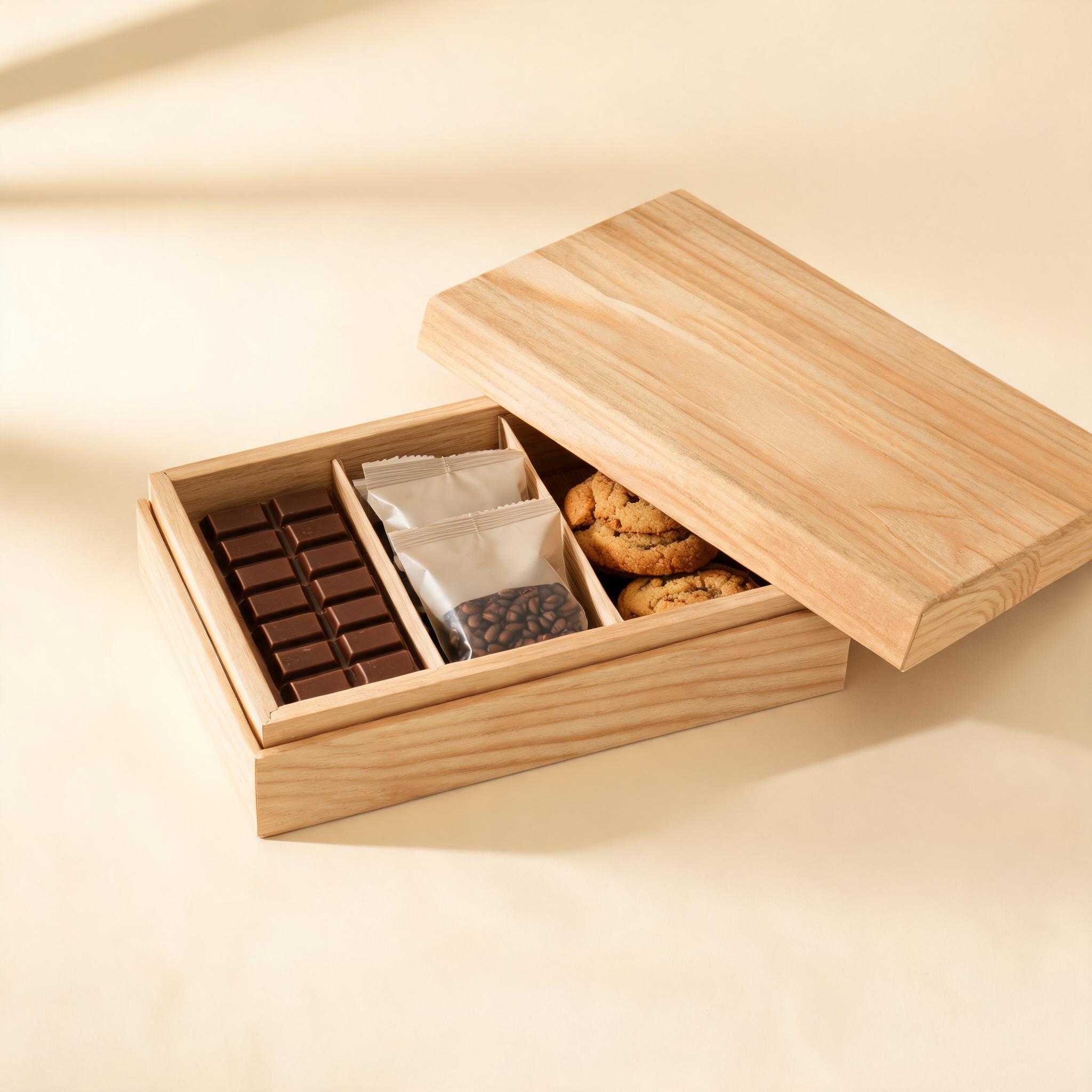
Food-safe wooden packaging for tea, coffee, chocolate, bakery and specialty food brands.
Read moreBack to the range
Send the brief — we'll come back with structure, material and finish options for coffee tins, plus a clear quotation.