
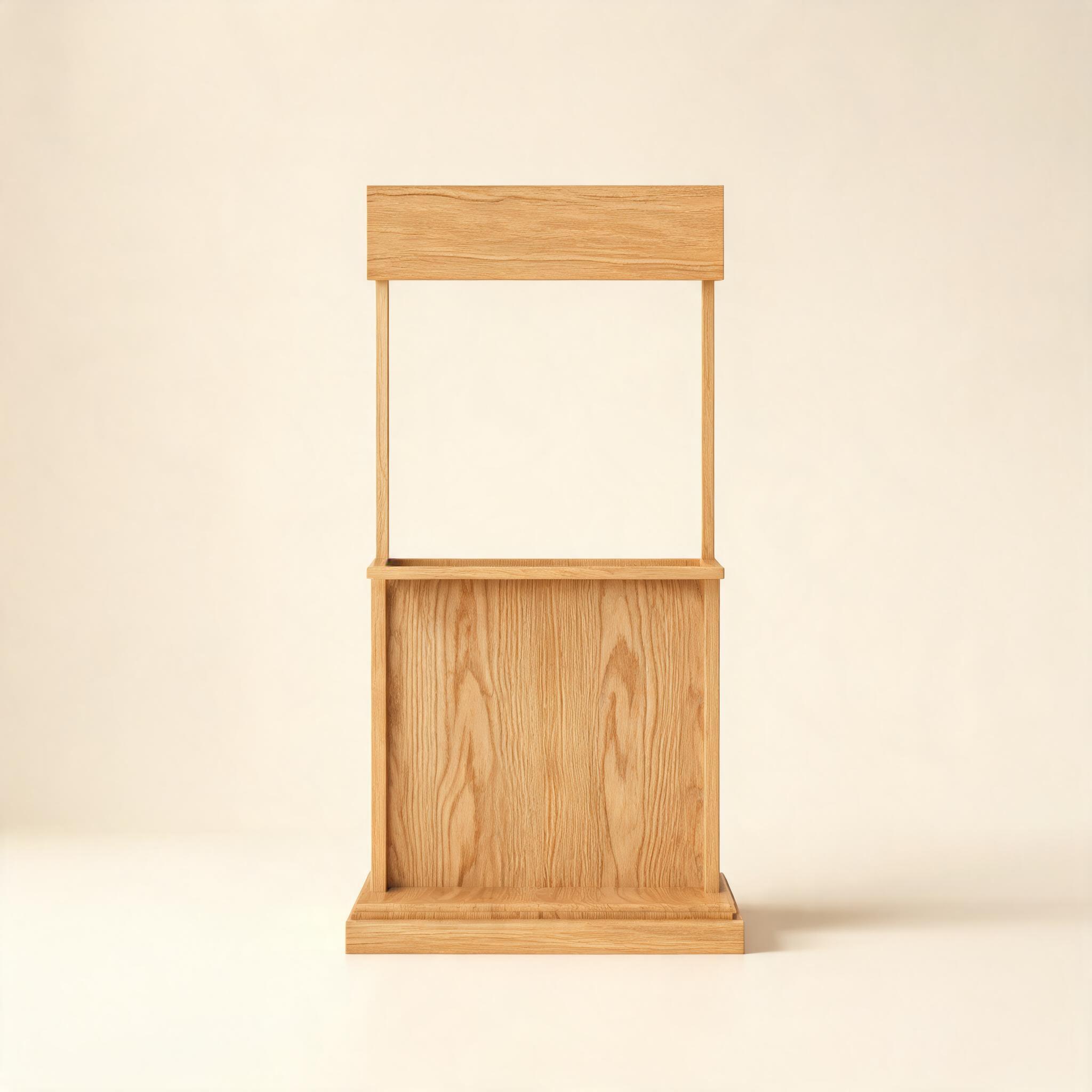
Brand architecture
- Colour and finish matched to brand guidelines
- Logo and messaging placement specified per surface
- Consistent batch production for multi-site rollouts
- Interchangeable graphic panels for campaign refreshes
Wooden Display Solutions
Fixtures built to your brand's finishes, materials and store footprint.
A branded fixture is a piece of brand architecture: it has to carry identity at a glance and survive years of retail use. That combination is what separates a fixture from a display stand bought for one campaign.
We develop fixtures against a brand guideline — colour references, logo placement, material palette — and then engineer them for the store environment: handling, cleaning, load and, where required, relocation between sites.
The brief behind it
Campaign displays are designed to look right for a season. A permanent fixture is designed to look right for three years and to survive being moved. That changes the construction, the finish and the way the brand system is applied.
The brand system has to be translated into physical rules: which surfaces carry the logo, how large it is relative to the fixture, which parts are painted and which stay natural, and what happens when a campaign message changes. Without those rules, every production batch interprets the brand slightly differently.
Relocation is the other differentiator. Knock-down construction with reusable fixings costs more at the start and saves the fixture when a store moves or a layout changes — which, over a three-year life, is likely.
What you can specify
Every point below is developed with you and confirmed on a physical sample before production.
Send the product dimensions, an approximate quantity and the date you need it. We come back with structure, material and finish options — and a clear quotation.
Start a projectAt a glance
The six decisions that define this product. Change one and the cost, weight and lead time move with it.
Why it matters
These are the choices this page decides. Getting them right at the sampling stage is what keeps cost and rework out of production.
Discuss your projectWho buys this
The same product is specified very differently depending on who is buying it. These are the briefs we see most often.
How we run it
We are a sourcing and product development partner rather than a single factory. Your project is matched to a specialist workshop in our manufacturing network, and one team stays accountable for the drawing, the sample, the production schedule and the inspection before dispatch.
Your product, sketch or reference photo becomes a working drawing: internal dimensions, wall thickness, opening mechanism and insert layout, with the trade-offs priced.
Before a full sample is made, you compare species, stain and coating on physical boards under your own lighting — the fastest way to avoid a colour surprise.
A physical sample of the actual construction is made and shipped for approval. Nothing goes into a production run before you sign off on it.
The approved sample becomes the standard. We coordinate the schedule with the workshop best suited to the structure, material and quantity, and report progress.
Units are checked against the approved sample during and after production — dimensions, finish, hardware and branding — then packed for the shipping route.
Export cartons, packing lists and shipping documents are prepared against the agreed trade term, and the shipment is coordinated with your forwarder or delivered to the named port.
Common questions
If relocation is likely, we design knock-down construction with reusable fixings and label the parts. It costs a little more up front and saves the fixture later.
Production is held to the approved sample, with the finish and hardware specification fixed before the first unit. Batches are checked against that sample as they are produced.
Yes. Removable or sliding graphic panels let a campaign refresh happen without rebuilding the structure — useful when brand messaging changes more often than the store fit-out.
Batch size is set by the workshop and the structure. Large rollouts are scheduled in waves against the same approved sample, and the schedule is confirmed with the quotation.
Tall units usually do, and some stores require it. We provide guidance and the fixings, and confirm the requirement with your store standards.
Yes, if we can see it. Photos plus a finish sample are usually enough to match species, stain and sheen.
Feet, shelf edges and hand-contact points. Designing those as replaceable parts is the cheapest way to extend the life of the fixture.
Yes. For rollouts we recommend holding a small stock of shelves, feet and fixings so stores can repair locally.
Related
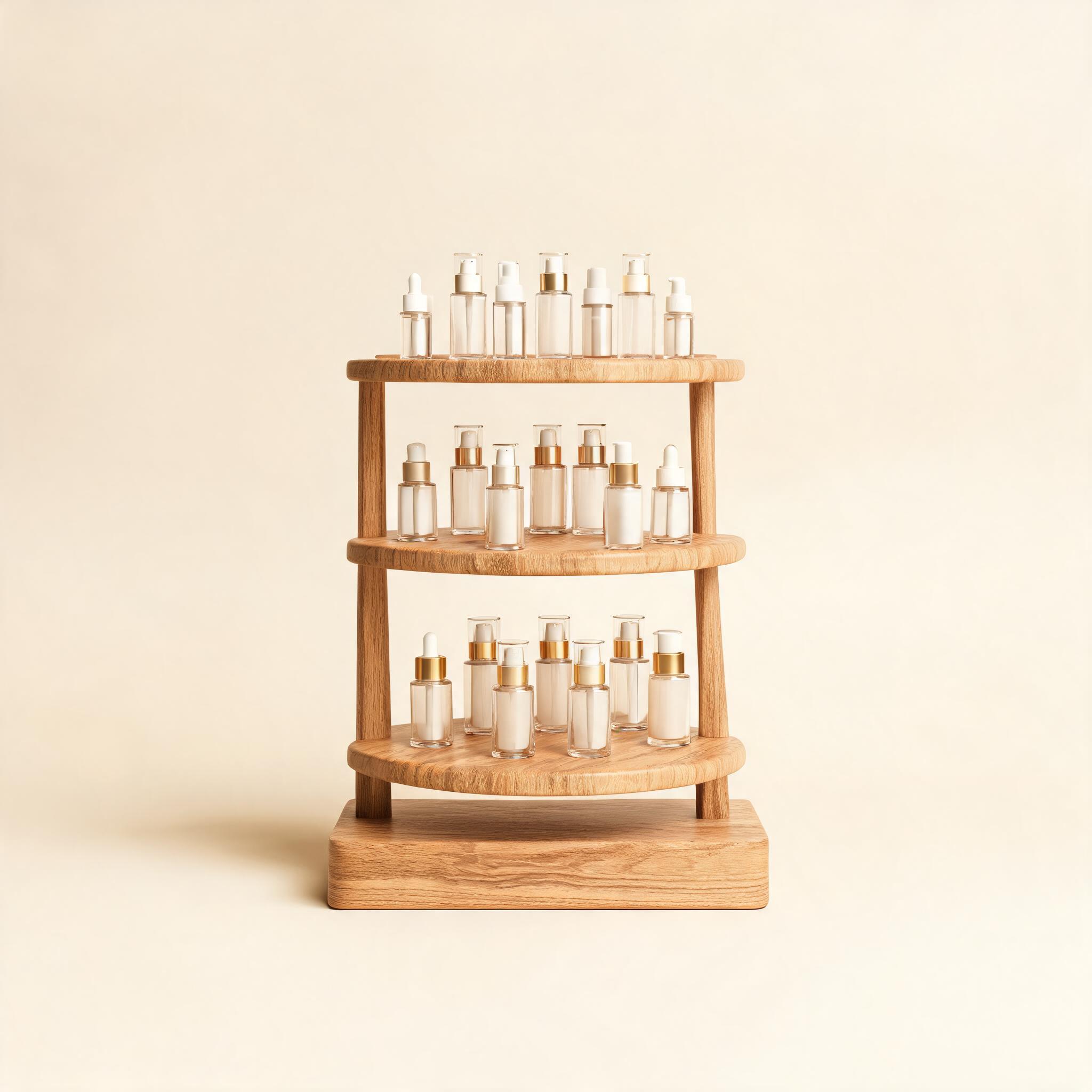
Freestanding wooden display stands for boutiques, events and shop floors.
Read more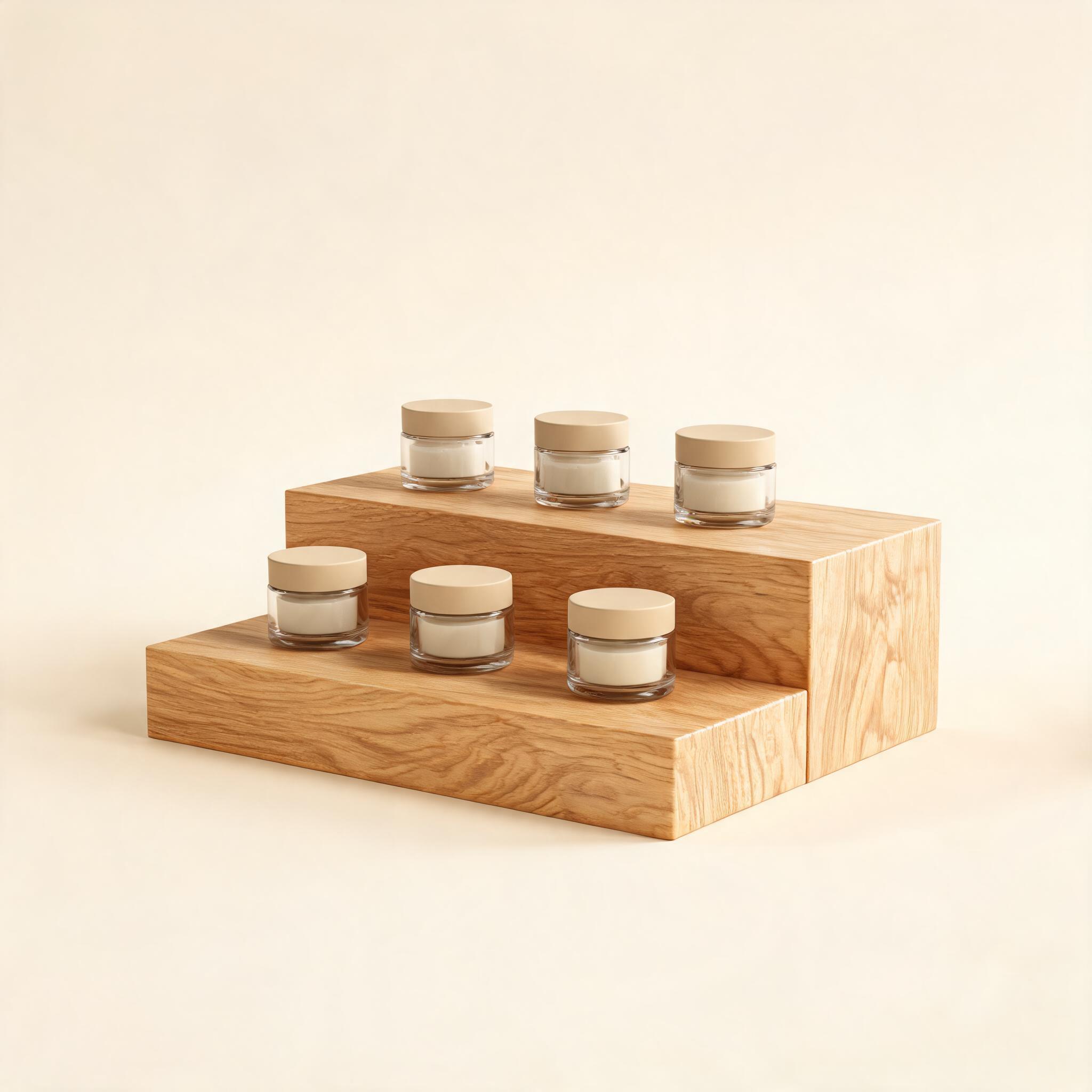
Compact counter units that keep the product visible and within reach.
Read more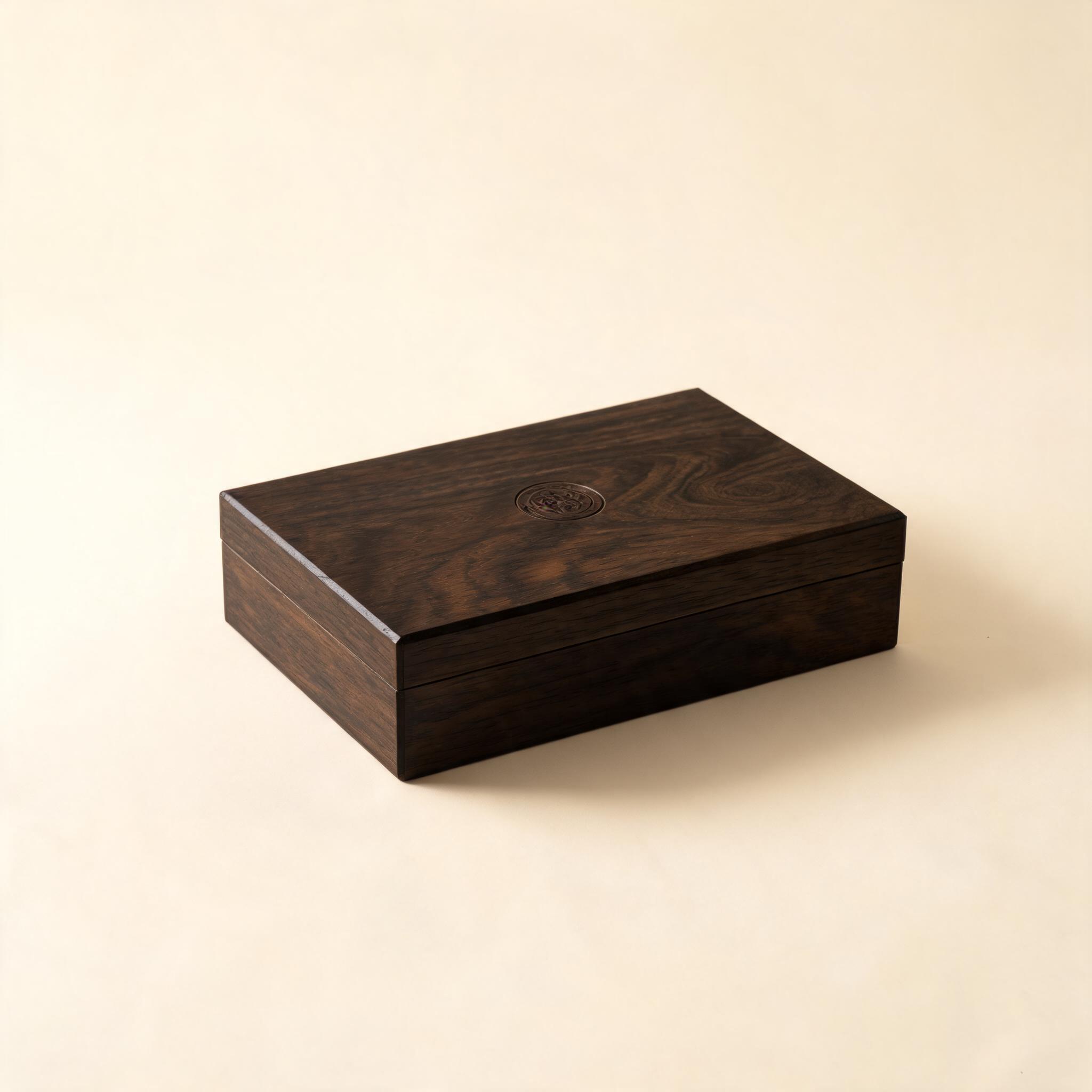
Engraving, foil, print or inlay — the technique decides whether the mark looks made for the material.
Read moreBack to the range
Send the brief — we'll come back with structure, material and finish options for branded display fixtures, plus a clear quotation.